
Common Fitness Mistakes People Make After 35 and How to Fix Them
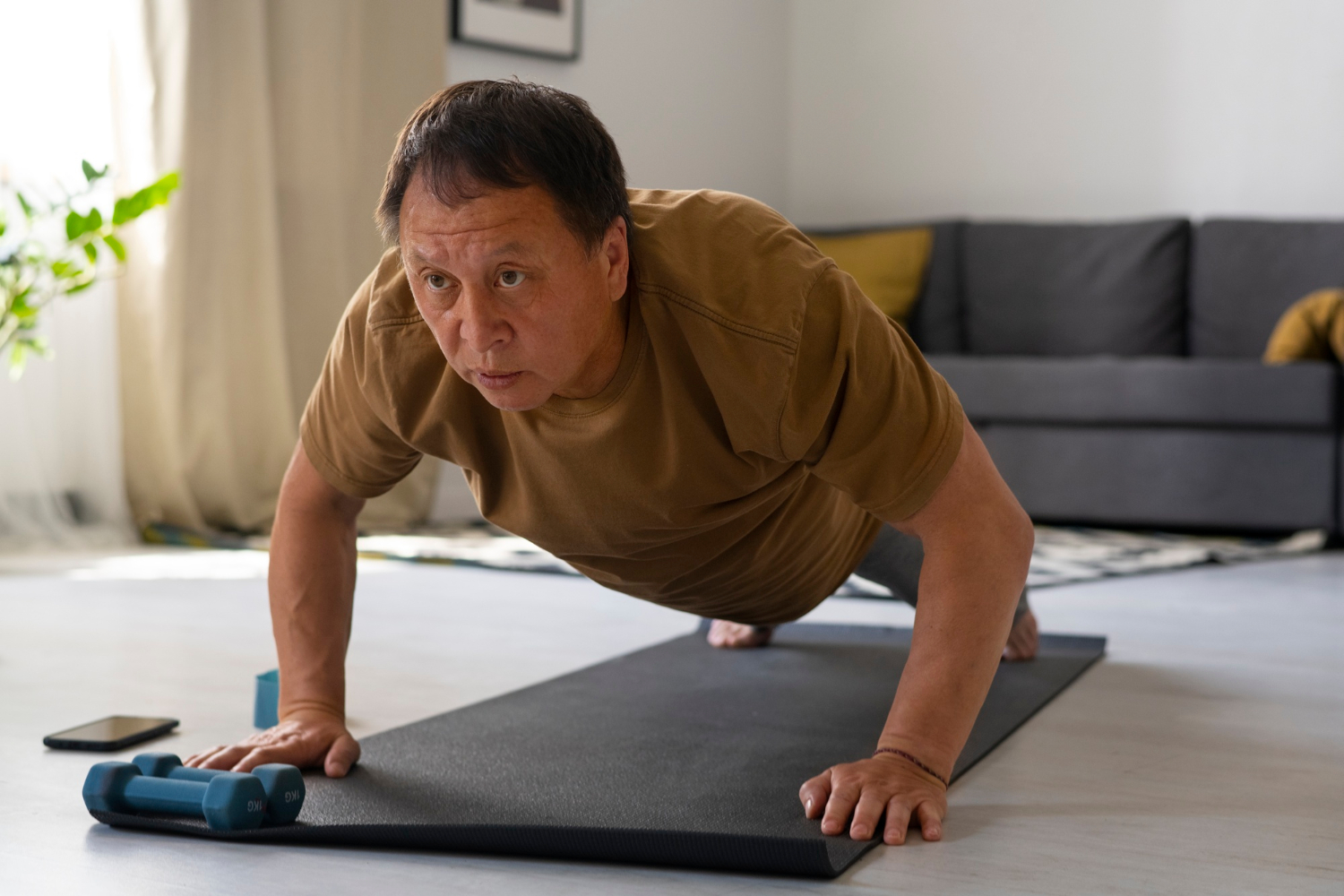
Staying strong, energized, and capable after 35 doesn’t require drastic reinvention—it requires smart adjustments. Many adults find their bodies responding differently than they did in their twenties, and this shift often reveals gaps in training, recovery, and nutrition habits. The good news is that these issues are absolutely manageable once you identify them. Whether you’re restarting your fitness journey or leveling up, understanding the traps people frequently fall into can save you time, frustration, and wasted effort. By learning how to measure your male hormone levels alongside adopting better training habits, you gain clearer insight into what your body truly needs. And with more people embracing healthier aging, resources like Healthy Aging Habits are becoming invaluable guides.
Ignoring Strength Training

Ignoring strength training is one of the biggest missteps adults make after 35. Many focus almost entirely on cardio while overlooking the need for muscle-building exercises. Muscle mass naturally decreases with age, affecting balance, mobility, and overall energy. Cardio alone cannot prevent this decline. Without resistance training, the body slowly loses power and stability, leaving everyday tasks feeling more challenging than they should. The fix is simple: incorporate strength sessions at least twice a week. Bodyweight workouts, resistance bands, or dumbbells are more than enough to get started. Basic movements like squats, rows, and presses help build a steady foundation. Consistency is the key. Strength training supports joints, posture, and metabolic efficiency well into later life.
Undereating or Following Restrictive Diets
Undereating or following restrictive diets is another major mistake people make after 35. Many believe that eating less keeps them lean, but this often backfires. A lack of proper nourishment slows metabolism, increases fatigue, and reduces performance. Many adults also fail to consume enough protein, making it harder for the body to repair and maintain muscle. Instead of restricting, shift your mindset to fueling. Choose steady sources of energy such as lean proteins, slow-digesting carbohydrates, and nourishing fats. Focus on quality rather than harsh limitations. A consistently nourished body performs better, recovers quicker, and maintains steady daily energy levels.
Treating Sleep as Optional
Treating sleep as optional is a widespread issue among adults balancing work, family, and busy schedules. Sleep is often the first thing sacrificed, leading to poor recovery, irritability, decreased focus, and weight fluctuations. Even a few nights of less rest can negatively impact motivation and physical performance. To fix this, build simple bedtime habits that help your body unwind. Keep your room dark, reduce screen use before bed, and maintain regular sleep hours whenever possible. Aim for 7–8 hours of sleep to give your mind and body the reset they need. Quality rest enhances recovery, sharpens focus, and makes exercise more productive and enjoyable.
Avoiding Health Checks and Hormone Monitoring

Avoiding health checks and hormone monitoring is another frequent oversight. Many adults assume low energy or mood changes are unavoidable signs of aging. In reality, internal imbalances often play a large role. Hormones can shift significantly after 35, affecting muscle retention, weight management, and overall vitality. Dismissing these changes can delay necessary adjustments. The solution is to schedule yearly health check-ins to understand what’s happening internally. Reviewing hormone levels, vitamin status, and inflammation markers provides meaningful insights. Trusted resources such as Healthy Aging Habits offer helpful guidance for understanding and supporting long-term wellness. Early awareness makes it easier to adopt strategies that help you feel more balanced and energized.
Training the Same Way You Did in Your 20s
Continuing to train exactly like you did in your twenties is a final common mistake that leads to injury, burnout, or plateaus. Bodies change with age, and routines should evolve too. High-intensity sessions performed too frequently can strain joints and disrupt recovery, while repeating the same workout for years can stall progress. The fix is adopting a more flexible approach to fitness. Blend strength, mobility, and moderate cardio throughout the week. Pay attention to how your body responds, and add rest days when needed. Some days require more effort, while others benefit from gentle, restorative movement. This balanced structure keeps you improving without excessive strain.
Improving fitness after 35 means becoming more aware of your habits and making thoughtful adjustments. By embracing strength training, fueling properly, prioritizing sleep, monitoring internal health, and choosing a more adaptable training style, you create a lifestyle that supports lasting energy, mobility, and confidence. Small, consistent changes deliver meaningful long-term benefits and help you stay active and capable for years to come.
Related Post

Get Fit and Fabulous with Pilates: Health Benefits of This Exercise Regimen
Looking to get fit and fabulous? Look no further than Pilates. This exercise regimen offers [...]
Embracing Assisted Living in Jacksonville, FL: A Comprehensive Guide for Seniors
As our loved ones age, the decision to transition into assisted living in Jacksonville FL, [...]