

Common Fitness Mistakes People Make After 35 and How to Fix Them Common Fitness Mistakes People Make After 35 and How to Fix Them
Staying strong, energized, and capable after 35 doesn’t require drastic reinvention—it requires smart adjustments. Many adults find their bodies responding differently than they did in their twenties, and this shift often reveals gaps in training, recovery, and nutrition habits. The good news is that these issues are absolutely manageable once you identify them. Whether you’re restarting your fitness journey or leveling up, understanding the traps people frequently fall into can save you time, frustration, and wasted effort. By learning how to measure your male hormone levels alongside adopting better training habits, you gain clearer insight into what your body truly needs. And with more people embracing healthier aging, resources like Healthy Aging Habits are becoming invaluable guides.
Ignoring Strength Training

Ignoring strength training is one of the biggest missteps adults make after 35. Many focus almost entirely on cardio while overlooking the need for muscle-building exercises. Muscle mass naturally decreases with age, affecting balance, mobility, and overall energy. Cardio alone cannot prevent this decline. Without resistance training, the body slowly loses power and stability, leaving everyday tasks feeling more challenging than they should. The fix is simple: incorporate strength sessions at least twice a week. Bodyweight workouts, resistance bands, or dumbbells are more than enough to get started. Basic movements like squats, rows, and presses help build a steady foundation. Consistency is the key. Strength training supports joints, posture, and metabolic efficiency well into later life.
Undereating or Following Restrictive Diets
Undereating or following restrictive diets is another major mistake …

















 Pilates works all your major muscle groups, including your core muscles. Its movements target and strengthen your abdominal, shoulder, hip, and back muscles for a toned


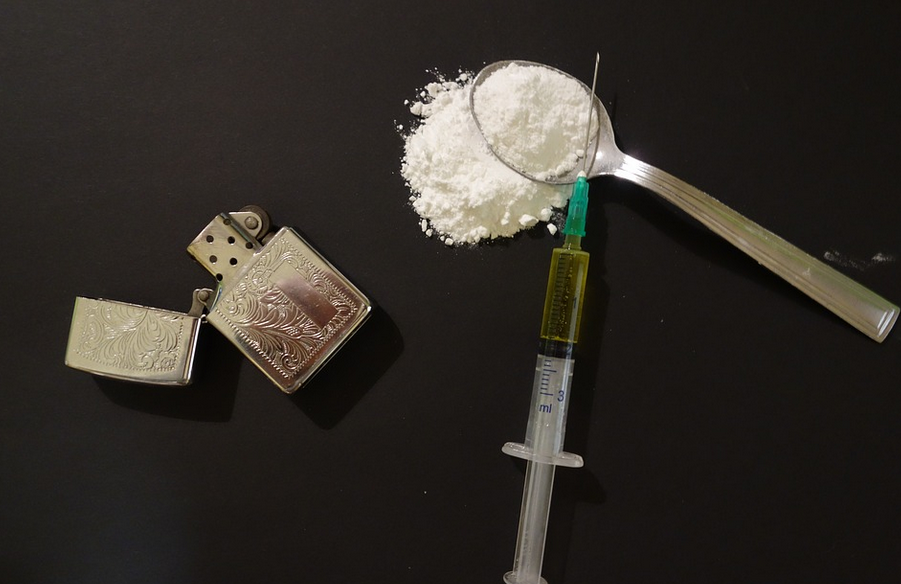
 Drug addiction can lead to serious health problems, including heart disease, stroke, and liver damage. Drug abuse can also increase the risk of developing cancer. It can also cause mental health problems such as depression and anxiety. These mental health issues often make it difficult for people to recover from addiction.